
Why Your GLP-1 Might Feel Like It’s “Not Working” Anymore
What Patients Need to Know About Weight Loss Plateaus, Appetite Changes, and Realistic Expectations
If you’ve been taking a GLP-1 medication like semaglutide or tirzepatide and suddenly feel like it’s “not working anymore,” you are absolutely not alone.
This is one of the most common conversations we have with patients at Chronos Body Health & Wellness.
A patient may start strong, lose weight consistently for several months, and then suddenly notice:
- Hunger creeping back in
- Slower progress on the scale
- More cravings
- Less appetite suppression
- A frustrating plateau despite “doing everything right”
For many people, this immediately creates panic:
- “Did my medication stop working?”
- “Did my body become resistant?”
- “Did I get a bad batch?”
- "Am I failing?”
In most cases, the answer is no.
As a physician who works with GLP-1 patients every day, I can tell you this: weight loss is rarely linear, and
successful long-term treatment requires much more than simply increasing a dose and hoping for faster results.
GLP-1 Medications Are Powerful Tools — But They’re Not Magic
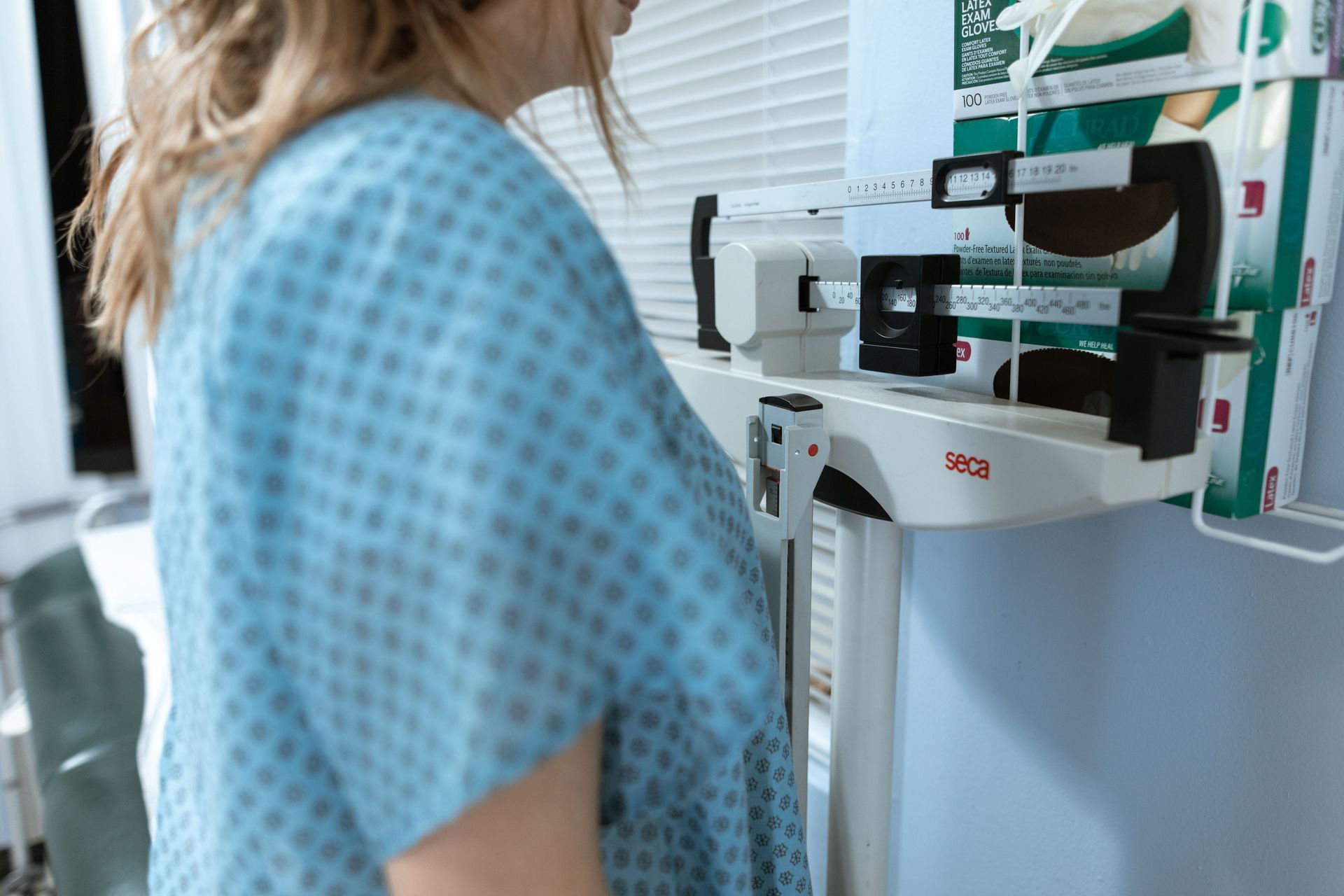
GLP-1 medications work by mimicking hormones involved in appetite regulation, blood sugar control, and satiety. They can help reduce food noise, improve fullness, and support meaningful weight loss for many patients.
But your body is still biologically designed to protect itself against weight loss.
That’s important to understand.
When you lose weight, your body naturally adapts:
- Metabolism can slow
- Hunger hormones may increase
- Energy expenditure changes
- Your body attempts to defend its previous weight
Research consistently shows that plateaus are extremely common during weight loss treatment, including with GLP-1 medications.
This does not automatically mean your medication failed.
In fact, many patients mistake a
normal physiologic adjustment period
for medication failure.
Why Patients Sometimes Feel Like Their GLP-1 “Stopped Working”
There are several very common reasons this happens.
1. Your Body Has Adapted to Weight Loss
The more weight you lose, the fewer calories your body requires to maintain itself.
That means the same habits that created weight loss early on may eventually only maintain your current weight.
This is one of the biggest reasons patients hit a plateau after initial success.
It’s not because you “broke” the medication. It’s because your body is adapting.
2. Appetite Suppression Naturally Feels Different Over Time
Many patients start GLP-1 therapy expecting to feel the intense appetite suppression they experienced during the first few weeks forever.
That’s usually not realistic.
Early treatment often comes with dramatic changes because your body is adjusting to the medication. Over time, many patients still benefit metabolically, but the feeling becomes less dramatic and more subtle.
That doesn’t mean the medication suddenly stopped helping.
3. Weight Loss Expectations Have Become Unrealistic
Social media has created some very unhealthy expectations around GLP-1 medications.
People see dramatic “before and after” transformations online and assume:
- weight loss should happen rapidly forever
- appetite should disappear completely
- hunger is “bad”
- plateaus mean failure
That’s not how sustainable medicine works.
Healthy, maintainable weight loss often slows over time. In many cases, slower progress is actually a good sign that your body is adjusting more sustainably.
Sometimes the Problem Isn’t the Medication — It’s the Loss of Support
One of the biggest issues we see in the current GLP-1 industry is patients being handed a prescription with very little guidance afterward.
No education.
No follow-up.
No dose strategy.
No nutrition support.
No discussion about expectations.
And when progress slows, patients immediately feel discouraged.
Recent surveys have shown that many GLP-1 users feel they need significantly more support, accountability, and education during treatment.
At Chronos, this is exactly why we focus heavily on
ongoing physician-guided care instead of simply processing medication orders.
More Medication Is Not Always Better
This is another important conversation patients deserve honesty about.
Many people assume:
“If I’m not losing fast enough, I just need a higher dose.”
Sometimes dose adjustments are appropriate. Sometimes they are not.
Higher doses can increase side effects and may make it harder for some patients to:
- eat enough protein
- preserve muscle mass
- stay hydrated
- maintain energy levels
- build sustainable habits
Research and clinical experience both suggest that nutrition quality, protein intake, resistance training, sleep, stress, hydration, and consistency all play major roles in long-term outcomes.
Our goal at Chronos is not simply to push patients to the highest dose possible.
Our goal is to help patients achieve
sustainable, realistic progress safely.
Weight Loss Is More Complex Than Willpower
One of the most encouraging things happening in medicine right now is that obesity is finally being discussed more honestly.
We now better understand that weight regulation involves:
- hormones
- insulin resistance
- stress
- sleep
- genetics
- metabolism
- medications
- emotional health
- lifestyle patterns
This is exactly why compassionate, medically supervised care matters.
Patients deserve support, not shame.
What We Tell Our Patients at Chronos
If your GLP-1 suddenly feels “less effective,” don’t panic.
Instead, ask:
- How long have I been on treatment?
- Has my body composition changed?
- Am I eating enough protein?
- Am I sleeping well?
- Am I strength training?
- Have stress levels changed?
- Am I expecting perfection instead of progress?
- Do I have the right medical guidance?
Sometimes small adjustments make a huge difference.
And sometimes patients simply need
reassurance that a plateau is a normal part of the process, not proof that they failed.
The Bottom Line
GLP-1 medications can be incredible tools, but they work best when paired with:
- physician oversight
- realistic expectations
- nutrition guidance
- ongoing follow-up
- long-term lifestyle support
At Chronos, we believe patients deserve more than a prescription and a “good luck.”
We believe they deserve real medical care, honest conversations, and a team that helps them navigate both the exciting moments and the frustrating ones.
Because
sustainable weight loss is rarely about perfection.
It’s about consistency, education, support, and building something that
actually lasts.
Written by Mace Scott, MD
Founder and Medical Director at Chronos Body Health & Wellness
Focus: medical weight loss, hormone optimization, wellness medicine, aesthetics
Updated: May 2026