


Feel Like Yourself Again with Personalized Hormone Therapy for Women
If you've been feeling more tired, irritable, overwhelmed, or disconnected from yourself lately, you're not alone.
As women move through perimenopause, menopause, and other hormonal transitions, changes in estrogen, progesterone, and testosterone can affect nearly every aspect of daily life, including energy, mood, sleep, metabolism, libido, mental clarity, and overall wellbeing.
At Chronos Body Health & Wellness, Dr. Mace Scott develops personalized hormone therapy plans designed around your symptoms, lab results, and health goals. Whether you're experiencing hot flashes and night sweats or simply feel like something is "off," we're here to help you find answers.
Medically reviewed by Mace Scott, MD, Medical Director – Updated September 2026
Why Do Hormones Matter for Women?
Hormones act as the body's chemical messengers, helping regulate everything from sleep and mood to metabolism, muscle maintenance, sexual health, and cognitive function.
As hormone levels naturally change with age, many women begin experiencing symptoms that are often dismissed as "just getting older." In reality, these symptoms may be linked to changes in estrogen, progesterone, testosterone, or a combination of all three.
At Chronos, we take a comprehensive approach to hormone health, helping women better understand what's happening in their bodies and creating personalized treatment plans based on their individual needs.
CATCH THE REPLAY!
HORMONE HEALTH COLLECTIVE
THANK YOU FOR TUNING IN!
Couldn't make it live? We recorded the full women’s hormone health conversation so you can watch whenever it works for you. Hear Dr. Mace Scott, members of the Chronos team, and patients talk candidly about perimenopause, menopause, hormone replacement therapy (HRT), and what their experiences have been like.
Whether you’re wondering if your symptoms could be hormone-related or exploring your treatment options, this is a good place to start asking questions.
Common Signs of Hormonal Imbalance in Women
Hormonal changes can affect every woman differently. Some symptoms appear gradually over time, while others seem to develop overnight.
If you're experiencing several of these symptoms, hormone testing may help identify whether a hormonal imbalance is contributing. Menopause and perimenopause commonly cause symptoms such as hot flashes, sleep disruption, vaginal dryness, and changes in sexual function due to declining hormone levels.
Our Female Hormone Replacement Process
What sets Chronos apart from other clinics offering hormone replacement therapy is our commitment to individualized care and deep expertise. Our Medical Director, Dr. Mace Scott, brings over a decade of experience and research in hormone health, ensuring that each treatment plan is meticulously tailored to your unique needs. We understand that no two women experience menopause the same way, and that's why we prioritize a personalized approach. At Chronos, your well-being is our top priority, and we're here to support you every step of the way.
01
Book Your Consultation
Meet with Dr. Mace Scott to discuss your symptoms, health history, and goals. Whether you’re navigating perimenopause, menopause, or other hormone concerns, we’ll help you understand your options.
02
Complete Your Lab Work
Have your blood work completed right here at Chronos. Your hormone panel provides information we’ll consider alongside your symptoms and medical history.
03
Review Your Personalized Plan
Dr. Scott will review your results and discuss whether hormone replacement therapy is appropriate for you. Together, you’ll explore your options and create a plan tailored to your needs.
04
Begin Treatment & Follow Up
Start your prescribed treatment with ongoing support from our team. Follow-up lab work and check-ins help us monitor how you’re feeling and adjust your plan as needed.
Which Hormones Are Typically Evaluated?
Women's hormone health is complex because multiple hormones often work together.
Estrogen:
Estrogen plays a major role in reproductive health, bone health, skin quality, mood, and temperature regulation. As estrogen declines, women may experience hot flashes, night sweats, vaginal dryness, and other menopausal symptoms.
Progesterone:
Progesterone helps support sleep, mood stability, and hormonal balance. Changes in progesterone levels can contribute to sleep disturbances, mood changes, and irregular cycles.
Testosterone:
Many women are surprised to learn that testosterone is important for women too. Healthy testosterone levels can support libido, energy, motivation, strength, and overall vitality. Some women may benefit from testosterone optimization when clinically appropriate.
Coming from New Orleans? See our New Orleans hormone therapy and TRT page.
Bioidentical Hormone Pellet Therapy
How Does Pellet Therapy Work?
Hormone pellets are a convenient, long-lasting form of hormone replacement therapy designed to provide a steady release of hormones throughout the day.
During the procedure, a small pellet (about the size of a grain of rice) is placed just beneath the skin, typically in the upper hip area, during a quick in-office appointment. Once inserted, the pellet gradually releases hormones as your body needs them, helping maintain more consistent hormone levels over time.
At Chronos Body Health & Wellness, we primarily treat women using bioidentical hormone pellet therapy. Pellets offer a convenient way to deliver a steady, consistent release of hormones throughout the day, helping avoid the peaks and valleys that can occur with some other delivery methods.
Depending on your symptoms, lab results, and treatment goals, your personalized treatment plan may include estrogen, progesterone, testosterone, or a combination. In some cases, testosterone injections may also be recommended.
What to Expect During Pellet Treatment:
- Quick in-office treatment
- Local anesthetic used for comfort
- Small incision with minimal downtime
- Most patients return to normal activities within 24–48 hours
- Follow-up monitoring and lab work to ensure optimal results
Female Hormone Replacement Therapy FAQs
At What Age Should Women Consider Hormone Therapy?
There is no specific age to start hormone therapy. Many women begin noticing hormone-related symptoms during their 40s as they enter perimenopause, while others may not experience significant symptoms until menopause. The best time to consider an evaluation is when symptoms begin affecting your quality of life.
Can Women Have Low Testosterone?
Yes. Although testosterone is often thought of as a male hormone, women naturally produce testosterone as well. Low testosterone levels in women may contribute to fatigue, low libido, reduced motivation, and loss of muscle mass.
Do I Need Lab Work Before Starting Hormone Therapy?
Yes. Hormone therapy begins with comprehensive lab testing and a medical evaluation. Your results help us understand your hormone levels and create a treatment plan tailored to your individual needs.
At Chronos, we complete your blood work in-office to eliminate the hassle of visiting multiple facilities for lab testing.
What Hormones Do Women Typically Receive?
Treatment may involve estrogen, progesterone, testosterone, or a personalized blend of hormones depending on symptoms, health history, and laboratory findings.
How long do hormone pellets last?
Most women receive pellet therapy every 3–5 months, although timing varies based on individual hormone levels, metabolism, and treatment goals.
Are hormone pellets painful?
Most patients report minimal discomfort. A local anesthetic is used during the procedure, and soreness at the insertion site typically resolves within a few days.
Learn More About HRT & Women’s Wellness

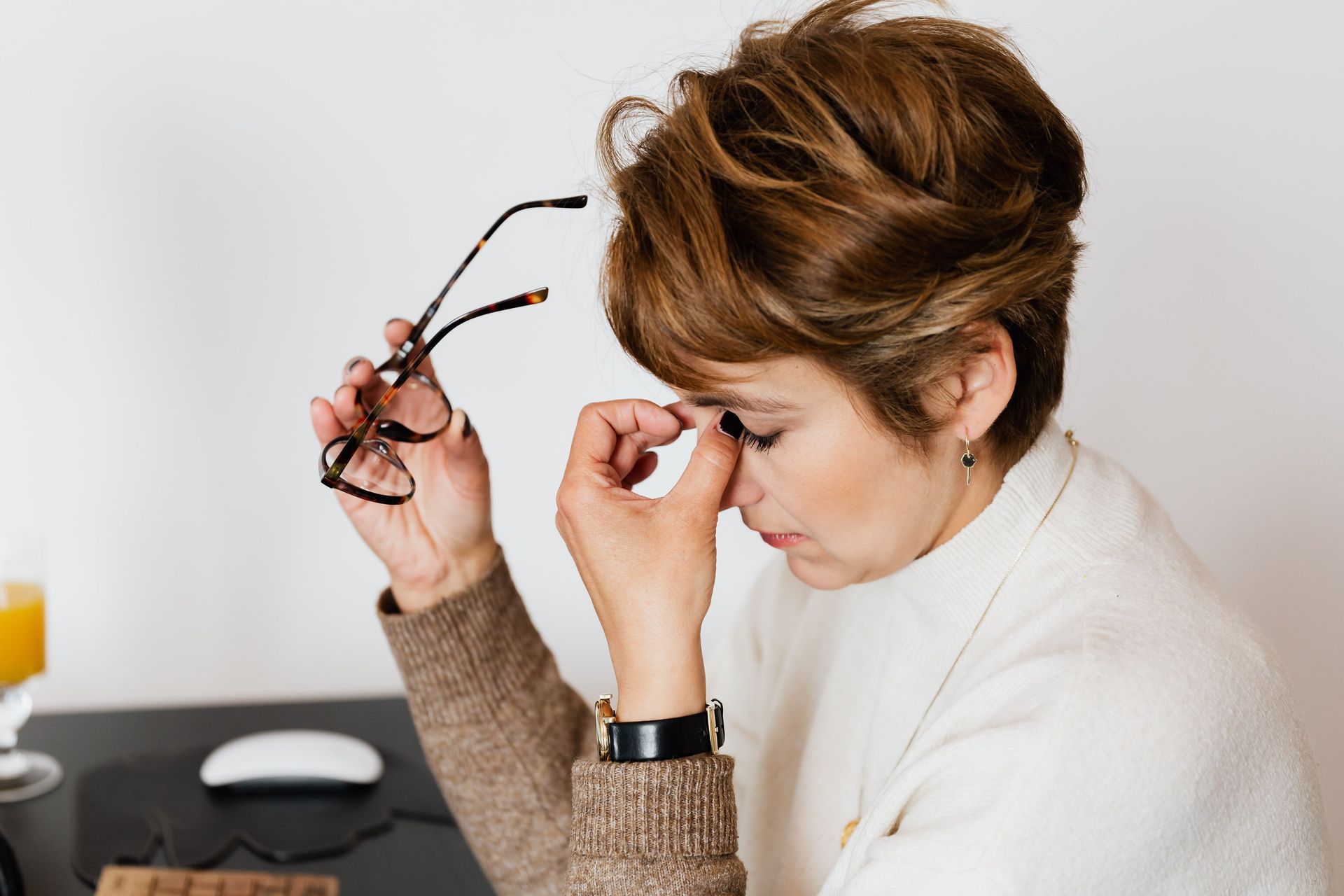

Hormone Therapy Is Not One-Size-Fits-All
No two women experience hormone changes exactly the same way.
Some women may benefit from estrogen therapy. Others may require progesterone, testosterone, or a personalized combination of hormones depending on their symptoms, laboratory findings, medical history, and treatment goals.
At Chronos, treatment recommendations are individualized because successful hormone therapy starts with understanding the whole patient, not just a lab number.
Potential Benefits of Hormone Optimization
When hormone imbalances are appropriately identified and treated, many women report improvements in:
- Energy levels
- Mental clarity and focus
- Sleep quality
- Mood and emotional wellbeing
- Libido and sexual wellness
- Muscle maintenance
- Exercise recovery
- Confidence and overall quality of life
Every woman's experience is unique, and results vary depending on hormone levels, treatment plan, and overall health.
Perimenopause vs. Menopause: What's the Difference?
Many women use the terms perimenopause and menopause interchangeably, but they describe different stages of hormonal change.
Perimenopause is the transition leading up to menopause, when estrogen and progesterone levels begin fluctuating. Women may experience symptoms such as irregular periods, hot flashes, mood changes, brain fog, fatigue, weight gain, and sleep disturbances, even while still having menstrual cycles.
Menopause is officially diagnosed after 12 consecutive months without a menstrual period. At this stage, hormone levels decline significantly, and symptoms such as hot flashes, low energy, vaginal dryness, poor sleep, and decreased libido may continue.
How Hormone Therapy Can Help:
At Chronos Body Health & Wellness, we evaluate your symptoms and hormone levels to determine whether hormone therapy may be right for you. Depending on your individual needs, treatment may include estrogen, progesterone, testosterone, or a personalized combination of hormones designed to help you feel your best.

A Message From Dr. Mace Scott
Chronos Body Health & Wellness Owner & Medical Director
"I specialize in the treatment of the symptoms of aging in men and women and help bring back their missing quality of life. This is my passion. This is why I became a Hormone Replacement Therapy doctor after years of emergency medicine.
Years ago, I experienced hormone imbalance and the negative effects of low testosterone in my own body and came to realize that optimal levels of hormones are a primary foundation for youth and vitality.
Seeing my patients improve through
customized hormone therapy treatment plans managed by myself and the highly-trained medical staff of Chronos is extremely gratifying. It has been thrilling to see the positive results and
provide the support my patients need to lead more fulfilling lives!"