
Sun Protection Done Right: What Really Matters for Your Skin
If there’s one thing I wish every patient understood, it’s this: nothing ages your skin faster or more consistently than the sun. Not stress, not diet, not even genetics. The sun is the number one driver of wrinkles, discoloration, and loss of elasticity. The good news is that it’s also the easiest thing to control if you’re using the right kind of protection the right way.
I see patients every day who are investing in great treatments, lasers, and skincare, but then unknowingly undoing that progress by using the wrong sunscreen or not using it consistently. Sun protection is not just about avoiding a burn. It’s about preserving your skin long term.
Let’s break this down in a simple, practical way so you actually know what to use and why it matters.
What Sunblock Actually Does
Think of sunblock as your skin’s shield.
The sun gives off ultraviolet (UV) rays that penetrate the skin and damage cells. There are two main types:
- UVA rays go deeper and are responsible for aging. These cause wrinkles, sagging, and long-term damage.
- UVB rays are what cause sunburn.
Both contribute to skin cancer and both break down collagen, which is what keeps your skin firm and smooth.
When you use sunscreen correctly, you’re basically putting a barrier in place that either blocks or absorbs those rays before they can damage your skin.
Chemical vs. Physical Sunblock: What’s the Difference?
Most people don’t realize there are two completely different types of sunscreen, and they behave very differently on your skin.
Chemical Sunscreens (Typical Store-Bought)
- Absorb UV rays and convert them into heat
- Usually go on clear and feel lighter
- Common ingredients include avobenzone, oxybenzone, and octinoxate
The downside:
- Can be irritating, especially for sensitive skin
- Less stable, meaning they break down faster in the sun
- Need to be applied more carefully and reapplied more often
- Some ingredients have raised concerns about hormone disruption and skin reactions
Physical (Mineral) Sunscreens (Medical-Grade)
- Sit on top of the skin and physically block UV rays
- Use ingredients like zinc oxide or titanium dioxide
Why these are better:
- More stable and longer-lasting protection
- Start working immediately after application
- Much less irritating for sensitive or post-procedure skin
- Provide broader protection against both UVA and UVB
The medical-grade sunscreens we use are not the thick, chalky formulas people remember from years ago. They are refined, elegant, and designed to blend well while still giving strong protection.
Why Medical-Grade Sunscreen Is Different
This is where people get confused.
A sunscreen you grab at a drugstore might say SPF 50, just like a medical-grade product. But SPF alone doesn’t tell the whole story.
Here’s what actually makes the difference:
- Higher quality ingredients that are more stable and effective
- Better UVA protection, which is what prevents aging
- Formulations designed to work with your skin, not just sit on top of it
- Often combined with antioxidants, which help neutralize damage before it starts
It’s similar to the difference between basic skincare and medical-grade skincare. The goal is not just protection but actual skin health.
How to Use Sunblock the Right Way
This is where most people fall short.
- Apply every morning, even if you’re not going outside much
- Use enough. Most people use less than half of what they should
- Reapply every 2 hours if you’re outdoors
- Don’t forget areas like the neck, chest, ears, and hands
- Use it even on cloudy days. UV rays still come through
A simple way to think about it: if there’s daylight, your skin needs protection.
What Happens Without Proper Protection
This is the part that really matters.
Over time, unprotected sun exposure leads to:
- Fine lines and deeper wrinkles
- Brown spots and uneven pigmentation
- Redness and broken capillaries
- Loss of firmness and skin thinning
- Increased risk of skin cancers
And once that damage is there, it’s much harder and more expensive to correct.
I always tell patients that sun damage is cumulative. It builds slowly over time. You may not see it today, but you will see it later.
Why This Matters for Your Treatments
If you’re investing in anything for your skin, whether it’s injectables, lasers, or skincare, sunscreen is what protects that investment.
Without it, you’re constantly taking a step forward and then a step back.
With it, everything works better, lasts longer, and looks more natural.
Closing thoughts
Healthy skin isn’t complicated. It’s about consistency and making the right choices every day.
If you’re not sure what sunscreen is right for your skin, that’s something we help patients with all the time. It’s not one-size-fits-all, and the right product can make a big difference in how your skin looks and feels over time.
My biggest tip:
find a sunscreen you enjoy wearing. That way, consistently wearing it everyday is less of a chore and more of a routine.
Book FREE Skincare Consultation and let's create a personalized routine for you!
Written by Lisa Lambert
Licensed Medical Esthetician at Chronos Body Health & Wellness
Focus: laser resurfacing, anti-aging, aesthetics
Updated: April 2026
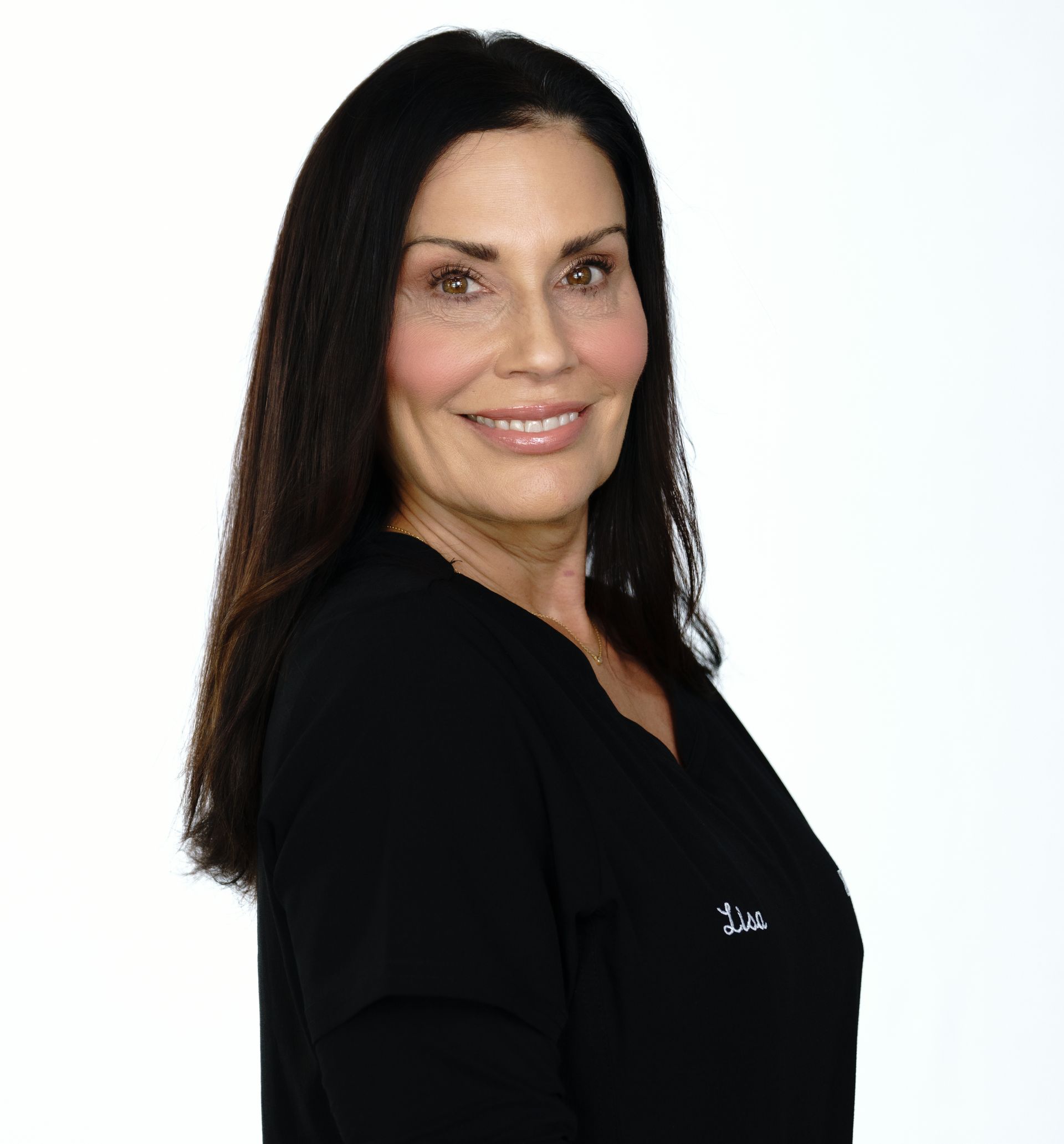
About Lisa Lambert
Lisa Lambert is a licensed esthetician at Chronos Body Health & Wellness with a strong focus on skin health, correction, and long-term maintenance. She works closely with patients to build customized skincare routines and treatment plans that protect and improve the skin over time. Lisa has a particular interest in preventative skincare, post-procedure care, and helping patients understand how daily habits impact their skin’s future.