
What Your GLP-1 Provider Should Be Monitoring Besides the Number on the Scale
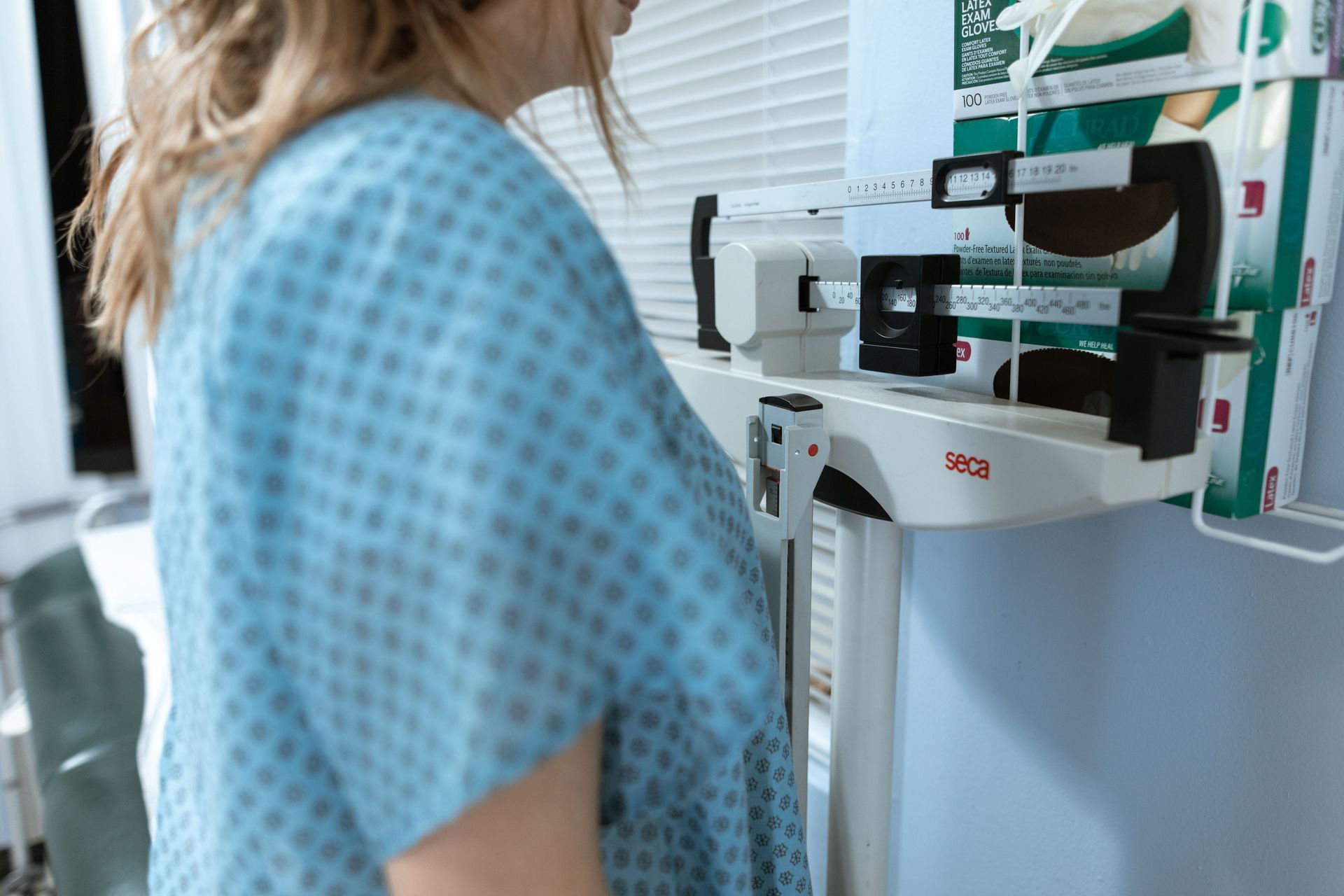
You step on the scale.
You're down four pounds.
Great.
But then what?
If the entire conversation with your GLP-1 provider is:
“How much do you weigh?”
followed by:
“Ready for the next dose?”
we're missing a lot.
The scale is useful. Of course I want to know whether your weight is trending in the right direction.
But weight alone doesn't tell me whether your treatment is going well.
It doesn't tell me if you're eating enough.
It doesn't tell me if you're getting enough protein.
It doesn't tell me if you're losing muscle.
It doesn't tell me if you're constantly nauseated, exhausted or dehydrated.
It doesn't tell me whether your appetite is appropriately controlled, or completely gone.
And it certainly doesn't tell me whether you need a higher dose.
GLP-1 treatment is medical treatment. And if we're going to prescribe these medications, I believe we should be paying attention to the whole patient, not just the number between their feet.
So, what should your GLP-1 provider actually be monitoring?
Quite a bit.
1. Your Overall Rate of Weight Loss
Let's start with the scale, because it does matter.
But I'm much more interested in the trend than any individual weigh-in.
At Chronos, we generally look for an average of around 1–2 pounds of weight loss per week for many patients.
That doesn't mean you should lose exactly one or two pounds every seven days.
Weight loss isn't linear.
You may lose three pounds one week, nothing the next and one pound the week after that. Hydration, sodium intake, bowel movements, hormones, travel and plenty of other factors can temporarily change the number on the scale.
What matters is what we're seeing over time.
And faster isn't automatically better.
If you're losing weight unusually quickly, I want to know why.
Are you eating enough?
Are you getting adequate protein?
Are you losing strength?
Are side effects preventing you from eating?
The number is only the beginning of the conversation.
2. Your Appetite—Not Just Your Weight
Your GLP-1 provider should ask how your appetite has changed during treatment.
This is one of the biggest things I pay attention to when deciding whether a patient's dose is appropriate.
Are you less hungry between meals?
Are portions naturally smaller?
Has constant food noise improved?
Do you feel more in control around food?
Those can all be signs that the medication is doing what we want it to do.
But there's another side.
Are you never hungry?
Are you forgetting to eat all day?
Does food sound completely unappealing?
Are you struggling to consume enough nutrition?
That's different.
The goal isn't to eliminate your appetite completely.
We want enough appetite control to make weight management easier without suppressing your appetite to the point that adequate nutrition becomes difficult.
That's one reason your provider shouldn't determine your next dose based on the scale alone.
3. Whether You're Actually Eating Enough
One of the assumptions I wish we could get rid of is:
Less food = better GLP-1 results.
There's obviously a relationship between calorie intake and weight loss.
But there is a point where eating less stops being a smart weight-loss strategy and starts making it difficult to properly nourish your body.
GLP-1 medications can significantly reduce appetite and food intake. That makes it important for providers to ask what patients are actually eating—not just whether they're eating less. Current expert guidance recommends ongoing reassessment of dietary intake and hydration during GLP-1 treatment.
I want to know:
Are you eating regular meals?
Are you getting enough protein?
Are you eating fruits and vegetables?
Are you getting a reasonable variety of foods?
Are you intentionally skipping meals because you're not hungry?
Are nausea or other side effects making it difficult to eat?
A patient can be losing weight and still need adjustments to their nutrition.
Those two things can be true at the same time.
4. Your Protein Intake
Protein becomes especially important when you're losing a meaningful amount of weight.
Weight loss doesn't exclusively come from body fat. Some lean tissue can be lost along the way as well.
Adequate protein—particularly when combined with resistance training—can help support muscle during weight loss. Expert GLP-1 nutrition guidance specifically identifies sufficient protein and structured strength training as priorities for preserving muscle.
That's why asking “How much did you lose?” isn't enough.
I also want to know what you're doing to support the tissue we don't want you to lose.
Your individual protein needs depend on several factors, so I don't believe in pulling a random number off social media and applying it to everyone.
But your provider should at least be having the conversation.
5. Muscle, Strength and Body Composition
This is where the scale can be particularly misleading.
Imagine two patients both lose 30 pounds.
Patient A loses primarily body fat while doing resistance training, eating adequate protein and maintaining strength.
Patient B loses weight rapidly while barely eating, isn't exercising and loses a greater amount of lean tissue along the way.
The scale says:
30 pounds.
30 pounds.
Those outcomes aren't necessarily the same.
That's why I want patients thinking about body composition, not simply body weight.
Current expert guidance recommends considering muscle strength, physical function and body composition as part of GLP-1 care, particularly when muscle loss may be a concern.
Your provider may consider things like changes in strength, activity, waist circumference, body composition when available and how your clothes fit alongside your overall weight trend.
You don't need to become obsessed with another set of numbers.
The point is simply that the lowest number on the scale isn't automatically the best outcome.
6. Your Hydration
Hydration sounds simple until a patient isn't getting enough.
When appetite decreases, some people unintentionally drink less too.
Then you add potential GLP-1 side effects such as nausea, vomiting or diarrhea, and dehydration can become a more significant concern. Severe GI symptoms and associated dehydration can also contribute to kidney problems in susceptible patients.
So I want to know:
Are you drinking regularly throughout the day?
Are you struggling to keep fluids down?
Are you feeling lightheaded or unusually weak?
Are gastrointestinal symptoms making hydration difficult?
If the answer is yes, that deserves attention.
You shouldn't have to tolerate significant dehydration because you think it's simply part of being on a GLP-1.
7. Your Side Effects
Some gastrointestinal symptoms can occur when starting GLP-1 treatment or increasing a dose.
But there's an important difference between:
“I've had some mild nausea.”
and
“I'm so nauseated I can barely eat.”
Your provider needs to know the difference.
We should be asking about nausea, vomiting, diarrhea, constipation, abdominal symptoms and any other changes you've noticed.
And we should be asking before automatically increasing your dose.
Side effects can give us important information about how you're tolerating treatment.
I don't want a patient thinking:
I'm miserable, but I'm losing weight, so I guess it's working.
Feeling worse isn't the goal.
If side effects are interfering with your nutrition, hydration or daily life, tell your provider.
8. Your Energy and How You Actually Feel
This one doesn't get enough attention.
You can be losing weight and still feel terrible.
Are you constantly exhausted?
Weak?
Lightheaded?
Struggling through workouts that used to feel manageable?
Finding everyday activity more difficult?
Those things matter.
Sometimes they're related to inadequate food or fluid intake. Sometimes something else is going on.
Either way, they're worth discussing.
Successful treatment shouldn't be defined by the scale moving down while everything else feels like it's moving backward.
9. Your Activity Level and Strength Training
I don't expect every medical weight loss patient to suddenly become a fitness enthusiast.
But I do want to know if you're moving your body.
And particularly:
Are you doing anything to challenge your muscles?
Resistance training can help support lean mass during weight loss and is specifically emphasized in current GLP-1 nutrition and lifestyle recommendations.
That could mean weights.
Machines.
Resistance bands.
Bodyweight exercises.
A structured fitness program.
What makes sense depends on the individual.
The point isn't to tell every patient they need to live in the gym.
It's to recognize that movement and muscle are part of medical weight management too.
10. Whether Your Current Dose Still Makes Sense
One of the easiest mistakes to make with GLP-1 treatment is assuming dose increases should happen automatically.
Four weeks passed. Time to go up.
That's not how I want to think about it.
Before increasing a dose, I want to know:
Is your current dose still controlling your appetite?
Are you losing weight at an appropriate rate?
How are your cravings?
How are your portions?
Are you eating enough?
Are you experiencing side effects?
How do you feel?
The highest dose isn't the goal.
At Chronos, we focus on the lowest effective dose that appropriately supports the patient's treatment goals.
Sometimes increasing makes sense.
Sometimes staying exactly where you are makes more sense.
The decision should be based on the patient—not just the calendar.
11. Your Health Beyond Weight
Weight is one marker of health.
It isn't the only one.
Depending on your individual health history, your provider may also need to consider things like blood pressure, blood sugar or A1C, relevant laboratory results, medications, medical conditions and other risk factors.
Not every patient needs the exact same tests at the exact same intervals.
That's the point.
Monitoring should be individualized.
If your health changes while you're in treatment, your weight-loss plan may need to change too.
Your GLP-1 prescription shouldn't exist in a vacuum separate from the rest of your medical history.
12. Your Sleep, Stress and Everyday Life
Your provider doesn't need a minute-by-minute account of your life.
But there are some things worth asking about.
How are you sleeping?
Has your activity changed?
Are you under significantly more stress?
Has your schedule changed?
Are there barriers making it difficult to eat well or exercise?
These factors can affect both your weight and your ability to follow a treatment plan.
Current multidisciplinary recommendations for GLP-1 care specifically include assessing lifestyle factors such as physical activity, strength training, sleep and stress.
Sometimes the answer to a plateau isn't another milligram.
Sometimes we need to understand what's changed outside the prescription.
13. What Happens When the Weight Stops Coming Off
Eventually, almost everyone has slower periods.
This is where ongoing care becomes especially important.
If you've stopped losing weight, your provider should be asking why before simply assuming the medication isn't strong enough.
Has your appetite returned?
Have portions increased?
Has activity decreased?
Are you strength training?
Are you getting enough protein?
Have you been traveling?
Has sleep changed?
Has another medication changed?
How long has your weight actually been stable?
A week without weight loss isn't necessarily a plateau.
And a plateau isn't automatically a medication problem.
It's information.
Good follow-up means figuring out what that information is telling us.
14. What Your Long-Term Plan Actually Is
This may be the most overlooked part of GLP-1 treatment.
Eventually, we have to talk about what happens after active weight loss.
What happens when you reach your goal?
Will medication continue?
Does your dose need to change?
How will we monitor maintenance?
What happens if your appetite increases?
What if you regain some weight?
What habits have you built that you can realistically maintain?
Obesity is a chronic condition for many patients, and GLP-1 and related medications may be used as long-term treatments when appropriate.
That doesn't mean every patient stays on the same medication or dose forever.
It means maintenance deserves an actual plan.
The conversation shouldn't end because the scale finally reached a number you like.
So, How Often Should Your GLP-1 Provider Follow Up With You?
There isn't one follow-up schedule that's appropriate for every GLP-1 patient.
How frequently you need to be seen can depend on where you are in treatment, your medication, dose changes, side effects, medical history and how you're responding.
But you should know when you're supposed to follow up and how to reach your medical team when something changes.
At Chronos, our medical weight loss patients aren't simply given medication and sent on their way.
Follow-up gives us an opportunity to look at the bigger picture:
What's working?
What isn't?
What has changed?
And what needs to happen next?
That's where medical weight management becomes much more than prescription management.
What Should You Look for in a GLP-1 Weight Loss Provider?
If you're comparing GLP-1 programs, don't only ask:
“How much does the medication cost?”
Ask about the care surrounding it.
Who evaluates you before treatment?
Who is actually prescribing your medication?
How is your dose determined?
How often will your progress be reviewed?
Can you reach a medical provider if you're having side effects?
Will anyone ask about your nutrition and protein intake?
Will they talk to you about strength training and muscle preservation?
What happens if you stop losing weight?
What happens when you reach your goal?
And what happens if you stop treatment and need help again later?
Those answers tell you a lot about the difference between access to a prescription and access to medical weight-loss care.
The Bottom Line: Your Weight Is One Data Point
Yes, we're going to weigh you.
The scale matters.
But I don't want it to become the entire definition of whether treatment is successful.
I want to know whether you're losing weight at an appropriate rate.
Whether your appetite is controlled.
Whether you're eating enough.
Whether you're getting adequate protein.
Whether you're staying hydrated.
Whether you're maintaining muscle and strength.
Whether you're tolerating your medication.
Whether your dose still makes sense.
Whether your health is improving.
And whether we're building a plan you can realistically maintain.
Because the goal of medical weight loss isn't simply to make the number on the scale smaller.
It's to use that weight loss to help make you healthier.
And that requires paying attention to a lot more than pounds.
Frequently Asked Questions About GLP-1 Monitoring
What should my doctor monitor while I'm taking a GLP-1?
Your healthcare provider should consider more than weight alone. Depending on your individual health and treatment plan, monitoring may include your rate of weight loss, appetite, food and protein intake, hydration, side effects, strength and muscle preservation, physical activity, medication response and relevant health markers or laboratory testing.
Monitoring should be individualized based on your medical history and treatment.
How often should you see a doctor while taking a GLP-1?
There isn't one follow-up schedule that's appropriate for everyone. Follow-up frequency may depend on your medication, stage of treatment, dose changes, side effects, medical history and response.
Your prescribing provider should give you a clear follow-up plan and a way to contact the medical team if problems arise between appointments.
Should my GLP-1 provider monitor my protein intake?
Protein intake is an important consideration during GLP-1-associated weight loss because reduced appetite can make it more difficult to consume adequate nutrition. Protein also helps support lean muscle, particularly when combined with resistance training.
Your individual protein needs should be based on factors such as your health, body size, age and activity level rather than a generic number from social media.
Should you monitor muscle while taking a GLP-1?
Muscle and strength are worth considering during significant weight loss. Some lean tissue can be lost during weight reduction, whether or not a GLP-1 is used.
Providers may consider changes in strength, physical function, activity and, when appropriate, body-composition measurements alongside weight.
How do I know if my GLP-1 dose is too high?
Significant appetite suppression, difficulty eating or drinking enough, persistent gastrointestinal side effects or other concerning symptoms are reasons to contact your prescribing provider.
Your dose shouldn't be evaluated based on weight loss alone. Your provider should consider your appetite, nutrition, side effects, weight trend and overall response before making medication changes.
Should my GLP-1 dose increase every month?
Not necessarily. Dose-escalation schedules vary by medication, and individual response and tolerability matter.
A higher dose isn't automatically better. Dose changes should be made with the healthcare professional managing your treatment.
What should happen when I hit a plateau on a GLP-1?
A plateau should prompt a broader look at your treatment rather than an automatic dose increase. Your provider may evaluate appetite, nutrition, activity, strength training, medication response, sleep, other health factors and how long your weight has actually been stable.
The appropriate next step depends on what that evaluation shows.
Looking for More Than a Prescription?
At Chronos Body Health & Wellness, we believe virtual healthcare should still feel like healthcare.
Whether you see us in person in Metairie or through our medical weight loss program in Louisiana or Texas, treatment isn't supposed to stop when the prescription is written.
We want to understand how you're responding, help you navigate the changes that come with treatment and adjust the plan when needed.
Because the goal isn't simply to help you lose weight.
It's to help you lose weight with a medical team paying attention to what happens along the way.
This article is for general educational purposes and isn't a substitute for individualized medical advice. GLP-1 and related medications are prescription medications with medication-specific indications, contraindications, warnings and dosing requirements. Monitoring needs vary by patient. Always discuss medication changes, side effects and concerns with your healthcare provider.