CoolSculpting: Who It’s For, Who It’s Not For, and What I Tell Patients Up Front
CoolSculpting has been around long enough now that most people have at least heard of it. Some come in asking about it specifically, others are just looking for a way to target areas that aren’t responding to diet or exercise.
The first thing I usually do is slow the conversation down a bit, because there’s a lot of misunderstanding around what this actually does—and what it doesn’t do.
What CoolSculpting Actually Does
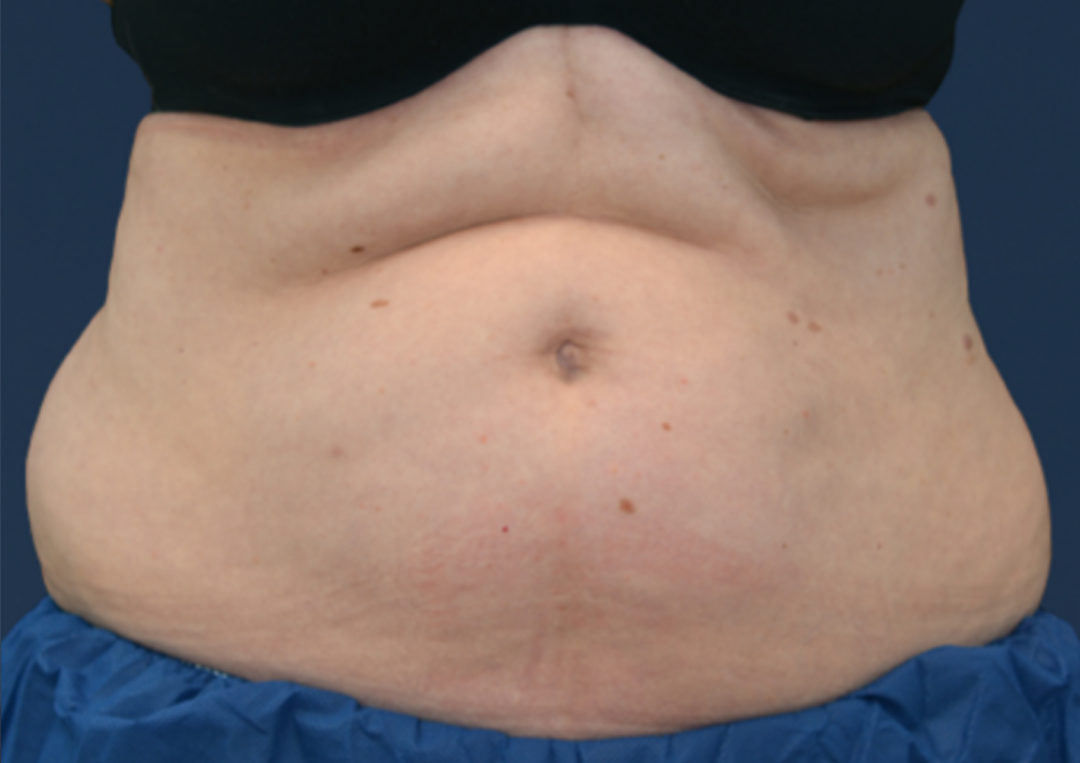
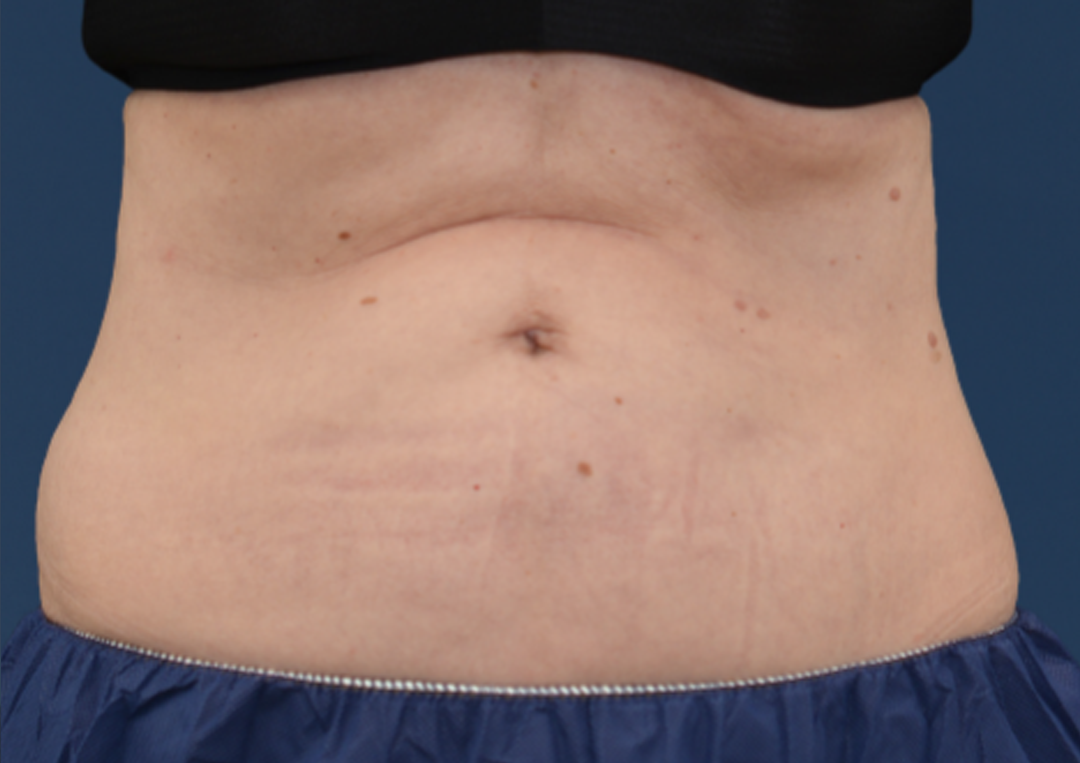
At its core, CoolSculpting is a way to reduce small, stubborn pockets of fat.
It’s not a weight loss treatment. It’s not going to move the scale in a meaningful way. What it can do is help reshape areas that tend to hold on to fat even when everything else is going well.
The most common areas we treat are:
- lower abdomen
- flanks (“love handles”)
- under the chin
- inner and outer thighs
The way I explain it is simple. You’re not shrinking fat cells—you’re reducing the number of them in a specific area. Once those cells are gone, they’re gone.
But that doesn’t mean new ones can’t grow if habits slip. That part still matters.
What I Look For in a Good Candidate
When I evaluate someone for CoolSculpting, I’m not just looking at the area they want treated. I’m looking at the overall picture.
The best candidates tend to:
be at or near a stable weight
have specific areas of concern rather than generalized weight gain
have realistic expectations about what the treatment can do
If someone is still actively gaining weight or expecting a major transformation from one session, that’s usually a sign we need to take a different approach.
What the Process Is Like
The treatment itself is straightforward.
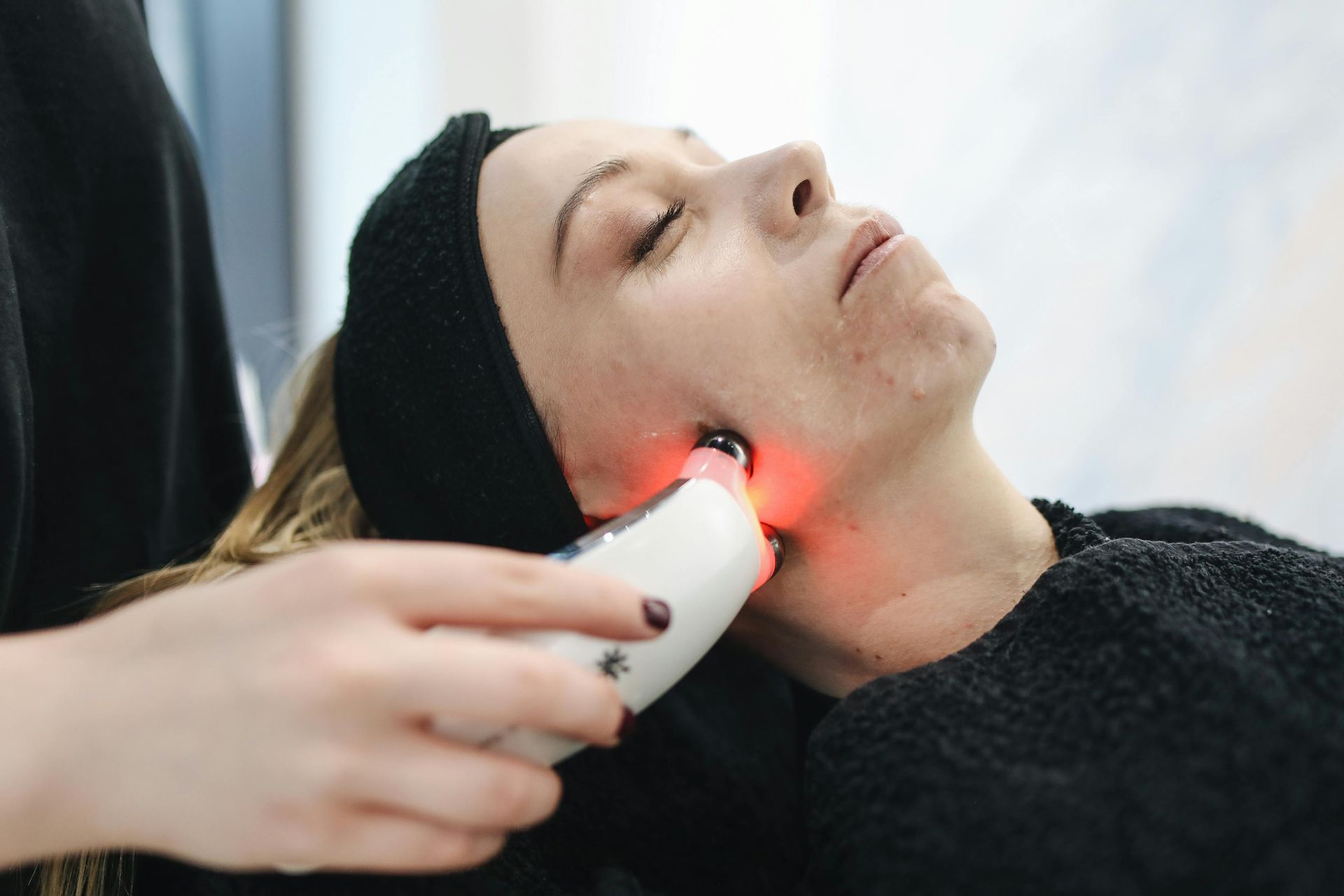
We place the applicator on the targeted area, and the device cools the fat cells to a temperature that leads to their breakdown over time. During the treatment, patients are usually just sitting there—some read, some scroll on their phone, some just relax.
Afterward, there can be some temporary swelling, numbness, or tenderness. Most people go right back to their normal routine.
The key thing to understand is that this is not an instant result. It’s a gradual change that becomes more noticeable over time. Sessions typically take about 35 to 60 minutes per area. Many patients start to notice changes around four weeks, with full results by two to three months, and clinical studies have reported a 20-25% reduction of fat in treated areas. Because treated fat cells are eliminated, results are long-lasting as long as your weight stays stable, and multiple areas can be treated as part of a plan.
Where It Fits In
I tend to think of CoolSculpting as a finishing tool.
For patients who have already made progress—whether through lifestyle changes or medical weight loss—it can help refine areas that don’t respond as easily.
It’s not a replacement for weight loss. It’s not something I recommend as a first step for most people.
But in the right situation, it can make a meaningful difference in how someone looks and feels.
Final Thoughts
CoolSculpting does what it’s designed to do, but only when it’s used in the right context.
When expectations are realistic and the patient is a good candidate, the results can be very satisfying. When it’s used as a substitute for weight loss or with the wrong expectations, people tend to be disappointed.
That’s why the evaluation matters just as much as the treatment itself. If you're considering treatment, learn more about
CoolSculpting Elite in Metairie.
Written by Mace Scott, MD
Founder, Chronos Body Health & Wellness
Focused on practical, results-driven aesthetic and wellness treatments